
The first month with a newborn brings many new experiences. Parents learn how to feed, hold, and comfort their little one. Even simple baby tasks can feel challenging at first. A little preparation and regular medical guidance can make this phase easier.
Good newborn baby care starts with meeting your baby’s basic needs. This blog will discuss a few important things parents should know during the first 30 days.
Top 6 Newborn Baby Care Tips
1. Feed Your Baby on Demand
Newborns need frequent feeds. They usually feed 8-12 times in a cycle of 24 hours. Parents must watch for early hunger signs, like hand-to-mouth movements or babies turning towards the breast.
- Feed your baby whenever they show hunger cues.
- Check that your baby latches properly during breastfeeding.
- Burp your baby gently after feeding.
- Avoid giving water, honey or other foods during this stage.
2. Follow Safe Sleeping Practices
Newborn babies sleep for several hours. However, their sleep comes in short stretches. Parents should focus on safety rather than trying to establish a strict routine.
Parents must place their baby on their back for every sleep. Use a firm, flat mattress in a separate cot or bassinet. Keep pillows, soft toys, loose blankets and other objects away from the sleeping area.
A suitable baby feeding and sleep schedule develops gradually. Respond to your baby’s needs instead of forcing fixed timings.
3. Essentially Keep the Umbilical Cord Clean and Dry
The umbilical stump needs gentle attention till it falls off naturally. This happens within one to two weeks.
- Keep the stump clean and dry
- Fold the diaper below the cord area
- Avoid applying oil, powder or home remedies.
- Do not pull the stump
4. Maintain Gentle Hygiene
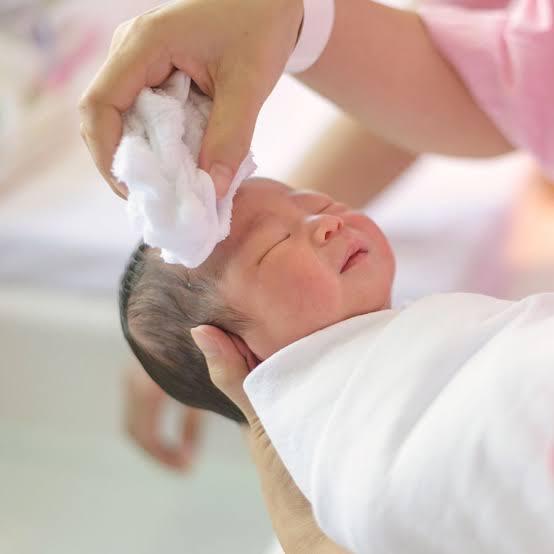
You do not need to bathe your newborn daily. Prefer sponge baths. Use lukewarm water and a soft cloth. Parents must keep the room warm and dry immediately after bath.
Change wet or soiled diapers promptly. Clean the diaper area gently. Allow the skin to dry before putting on a fresh diaper. Wash your hands before handling your baby and ask visitors to do the same.
5. Check for Changes in Your Baby’s Health
Parents should pay attention to changes in feeding, activity and skin colour. Yellowing of the skin or eyes can indicate jaundice. Other newborn jaundice signs may include yellowing that spreads towards the chest, abdomen, arms or legs.
Seek medical advice promptly if you notice these changes. Also contact a doctor immediately if your baby has a temperature of 38°C or higher, breathing difficulty, unusual sleepiness or refuses feed.
6. Do Not Miss Vaccinations and Check-Ups
The first month includes important health checks and vaccinations. Follow the vaccination card and your paediatrician’s advice for the recommended doses. Keep records of vaccines and follow-up visits in one place.
Regular check-ups also help monitor weight gain, feeding progress and general development. Discuss any concerns rather than waiting for the next scheduled visit.
Conclusion
The first 30 days are about building simple habits and understanding the needs of your baby. Proper newborn baby care and timely medical support help parents feel more confident.
Choosing a hospital in Karjat means looking for experienced paediatric care. Ratna Raj Hospital offers newborn and child care services to support families through these early stages. Consult the medical team for guidance on your baby’s health and development.